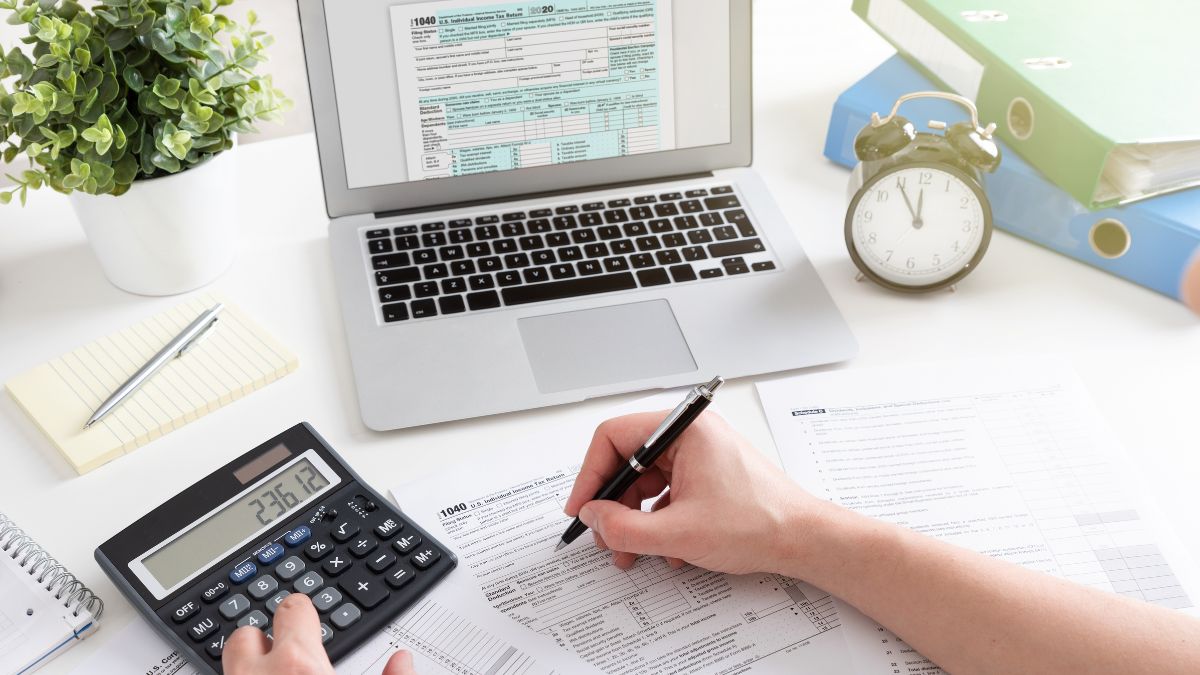

Paying for things used to be simple. You handed over cash, and you got your item. Now, things are much different. Most of us carry plastic cards, and many of us just tap our phones to pay. This shift is all about digital payments. For big stores, this is old news. But for small businesses, this change is a huge deal. It’s changing how they grow and even how they deal with taxes.
Small business owners often worry about keeping up with technology. They might think digital payments are too expensive or too complicated. However, the truth is that embracing these modern payment methods can open up a world of new customers and opportunities. It’s not just about convenience; it’s about making a business stronger and ready for the future. When a customer can pay easily, they are more likely to buy, and that’s the simplest path to growth
Think about your favorite local coffee shop or bakery. They might still use a traditional cash register, but more and more, they are accepting card taps and mobile payments. This move is helping them serve more people, faster. But how exactly does moving from a cash-only system to a digital one actually help a small business make more money and how does it affect the way they pay taxes?
Why are digital payments so good for small business growth?
Digital payments small business growth is a direct and powerful connection. When a small business starts accepting digital payments, it immediately becomes more attractive to a wider range of customers. Many people today simply do not carry cash. If a business only accepts cash, it is turning away potential sales from these customers. Accepting a credit card or a mobile payment means never having to say no to a customer who has forgotten their wallet but has their phone.
This convenience also speeds up transactions. Imagine a busy lunch rush at a sandwich shop. Counting out change for every cash transaction takes time. A quick tap of a card or a phone is much faster. This efficiency means the business can serve more customers in the same amount of time. More customers served equals more sales, and more sales lead directly to growth. It’s a simple equation of speed and accessibility.
Furthermore, digital payments open the door to online selling. Even a very small business, like a local craft maker, can set up a simple online store or take orders through social media. Digital payment systems are necessary for these transactions. Without them, the business is limited to only the people who can physically walk through their front door. Online sales allow a small business to reach customers across the entire country, or even the world, giving their potential market a massive boost. This is a critical step for any small business looking to expand its reach beyond its immediate neighborhood.
How do digital payments make record-keeping easier for small businesses?
One of the biggest headaches for any small business owner is keeping track of sales. If a business handles everything in cash, every single transaction must be manually recorded. This often involves physical receipt books or complex spreadsheets. This manual process is time-consuming and leaves a lot of room for human error. Mistakes in accounting can lead to problems later, especially when it’s time to file taxes.
Digital payment systems solve this problem instantly. Every time a customer pays with a card or phone, the transaction is automatically recorded. The system keeps a precise digital log of the exact amount, the date, and the time. This means the business owner has a perfect, real-time record of all their sales without lifting a finger. This automatic bookkeeping saves hours of work every week, letting the owner focus on selling and serving customers instead of paperwork.
This automatic record-keeping is incredibly valuable for business planning. A business owner can easily look at the data and see when their busiest times are, what their most popular items are, and how much money they are making each day. This clear picture helps them make better decisions. For instance, they might decide to hire an extra person during the busy lunch hour or stock up on a best-selling item. Good data leads to smarter business choices, which fuels further growth.
Does accepting digital payments mean small businesses have to pay more taxes?
This is a common worry among small business owners, and it is an important point to discuss. The truth is that a business is legally required to pay tax on all its sales, whether those sales are in cash or digital. Digital payments do not create a new tax; they simply create a perfect record of all sales.
When a small business deals mostly in cash, it can be tempting for some to not report every single sale. This practice is often called “underreporting” and it is illegal. When a business adopts digital payments, nearly every sale is automatically tracked and reported through the payment processor. This visibility means that the business’s actual revenue is clear and transparent to tax authorities.
For honest business owners, this transparency is a good thing. It removes any doubt about their reported income and makes tax preparation much simpler and faster. Tax authorities prefer digital records because they are accurate and hard to dispute. While it might feel like the business is paying “more” in taxes, it is actually just paying the correct amount on all of its legitimate sales. This transparency helps build a stronger, more trustworthy economy for everyone.
How does the government use digital payment data to improve tax collection?
Governments around the world are very interested in the rise of digital payments. For them, it is a powerful tool to ensure that businesses are paying their fair share of taxes. When transactions are digital, a clear audit trail is created. This trail makes it much harder for businesses to hide sales. This is a key reason why many countries are actively encouraging, and sometimes even requiring, businesses to accept digital forms of payment.
The data generated by digital transactions allows tax agencies to cross-check the sales reported by a business with the sales processed by the payment company. If a business reports far less income than its payment processor reports, it immediately raises a red flag for tax auditors. This capability is a significant deterrent to tax evasion. It helps level the playing field so that honest businesses aren’t competing with others who are illegally underreporting their income.
This improvement in tax collection is good for the whole country. When more businesses pay the taxes they owe, the government has more money for public services like roads, schools, and hospitals. Therefore, the push for digital payments is not just a convenience for customers; it is a fundamental shift toward a more transparent and fair tax system that benefits the entire community. It ensures that the responsibility of funding public services is shared correctly.
Are digital payments affordable for the smallest businesses and sole traders?
A common myth is that digital payment systems are only for large stores and are too expensive for small operations. This is no longer true. The technology has changed dramatically, making it very accessible and affordable for even the smallest businesses and individual sole traders.
Today, many providers offer very simple, low-cost solutions. A small business owner can often get a small, plug-in card reader that works with their smartphone or tablet for a very low upfront cost. The main expense is a small fee or percentage taken from each sale, which is the transaction fee. This means the business only pays when they actually make a sale. This is a very friendly cost structure for a business that might have fluctuating income.
These modern systems are often pay-as-you-go. A street vendor, a freelance photographer, or a home-based baker can all easily accept digital payments. The convenience they offer to customers often makes up for the small transaction fee because the ease of payment leads to more sales overall. In the end, the small cost of the fee is often outweighed by the large benefit of increased revenue and easier record-keeping, making it a sound investment for growth.
Conclusion
The move towards digital payments is one of the biggest changes small businesses face today. Far from being a scary, complicated, or costly step, it is a powerful engine for digital payments small business growth. It helps businesses attract more customers, speed up sales, and automate their record-keeping. The transparency it brings to sales also helps governments create a fairer tax system by ensuring everyone pays what they owe, which in turn supports the public services we all rely on.
For any small business owner, embracing digital payments isn’t just about keeping up; it’s about strategically positioning the business for a future of expansion and stability. The world is moving away from cash, and the small businesses that make this change will be the ones that thrive. How will you use this technology to grow your business starting today?
FAQs – People Also Ask
What is a digital payment, and what are some examples?
A digital payment is any transaction where money is exchanged electronically, without the use of physical cash. Common examples include using a credit or debit card, tapping a phone with a mobile wallet like Apple Pay or Google Pay, and online bank transfers.
Do digital payments increase sales for small businesses?
Yes, digital payments generally increase sales. They make shopping more convenient, especially for customers who do not carry cash. By accepting digital payments, businesses avoid losing sales from customers who would otherwise walk away because they can’t pay easily.
Are there extra fees for a small business to accept credit cards?
Yes, there are typically transaction fees charged by the payment processing company and the bank. These are usually a small percentage of the sale amount plus a few cents per transaction, but the costs are often manageable and usually justified by the increase in sales.
How do digital payments help with business accounting?
Digital payments automatically generate a clear and accurate record of every sale. This eliminates the need for manual data entry, reduces errors, and makes end-of-year accounting and tax filing much simpler and faster for the small business owner.
Can digital payments help a small business prevent theft?
Yes, a business that relies less on cash has less cash on hand. This reduces the risk of internal theft by employees and makes the business a less attractive target for external robbery, improving overall security.
Do I need a special machine to accept card payments?
You don’t always need a complex machine. Many modern solutions involve small, portable card readers that plug into or connect wirelessly to a standard smartphone or tablet, turning it into a simple, mobile payment terminal.
Is it safe for customers to use their cards at a small business?
Reputable digital payment systems use strong encryption and security standards to protect customer data. These systems are generally very secure and often offer better protection against fraud than handling large amounts of cash.
What is the impact of digital payments on tax evasion?
Digital payments significantly reduce tax evasion. Since transactions are automatically tracked, they provide a clear audit trail that makes it very difficult for businesses to underreport their sales income to tax authorities.
How long does it take for a small business to get paid from a digital transaction?
The time it takes can vary depending on the payment processor and the bank. Generally, the funds are deposited into the business’s bank account within one to three business days after the transaction is made.
Can I accept digital payments for my very small, home-based business?
Absolutely. Many digital payment solutions are specifically designed for sole proprietors and home-based businesses, offering flexible, low-volume plans that allow you to take payments in person or through an online link or invoice.