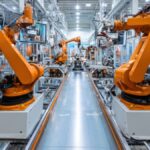

Manufacturing is simply the process of making things. From your phone to your clothes to the car you drive, all these items come from manufacturing plants. For a country, what it can make and sell to other countries, known as exports, is vital for its economic health. When a country exports more than it imports, its economy usually gets stronger. Think of it like a business: if you sell a lot of great products, your business earns more money and can grow.
The quality and price of a product determine if someone in another country will buy it. If your country’s products are too expensive or not as good as others, you won’t sell much overseas. This is where technological upgrades in manufacturing come in. When factories use better, newer machines and smarter processes, they can make products faster, better, and cheaper. This allows them to compete more effectively with businesses from all over the world.
This move toward smarter, more efficient production is often called advanced manufacturing. It’s about using modern tools like robots, smart sensors, and powerful computer systems to change how things are made. This focus on high-tech methods doesn’t just help local businesses; it makes the entire nation a stronger player in the global market. But how exactly does embracing these technologies help a country sell more things abroad and attract investment?
Why do factories need modern, advanced technology?
Factories need modern technology to keep up with the world. Think about your old phone compared to a new smartphone. The new one is faster, does more things, and works better. The same is true for factory equipment. Old machines break down more often, use more energy, and can only do a limited number of tasks. They make things slower and less perfectly.
Advanced manufacturing uses the latest tools to solve these problems. Robots can work 24/7 without getting tired, making production constant and predictable. Computers monitor everything, quickly finding mistakes that a person might miss. This high-tech approach means products are made with very high quality and consistency. When international buyers see a country making reliable, top-quality goods, they are more likely to buy from that country instead of one using old, outdated methods. It’s a simple business rule: better product equals more sales.
How does modern factory technology make products cheaper?
It might seem strange that expensive, new technology can make a product cheaper. But in the long run, it absolutely does. One of the biggest costs in manufacturing is waste. When a machine isn’t precise, it might ruin a lot of materials. Also, older processes use a lot of power and water. Modern, advanced machines are incredibly efficient.
For example, a 3D printer can create a complex part by only using the exact material needed, resulting in almost zero waste. Smart sensors in a factory can monitor energy use and adjust machines to use less power. Also, faster machines mean that it takes less time to make one item, which lowers the labor cost per unit. All these savings add up. When the cost to make a product drops, the company can sell it for a lower price overseas and still make a good profit. This competitive pricing is a huge advantage in the export market.
What does advanced manufacturing have to do with getting foreign investment?
When a company from one country decides to build a factory or set up a business in another country, it’s called Foreign Direct Investment (FDI). For a developing country, attracting advanced manufacturing FDI is like winning the lottery. It brings in capital (money), new technologies, and skills. Foreign companies want to invest where they can make money easily and efficiently.
If a country’s manufacturing sector is already modern, with good infrastructure and a skilled workforce that knows how to operate high-tech equipment, it becomes very attractive to international investors. Why would a global car company build a high-tech electric vehicle plant in a country that only uses ancient, slow machines? They want to invest where the groundwork for advanced production is already set. FDI not only creates local jobs but also boosts export capability directly, as the foreign company uses the new local factory to ship its products all over the globe.
Can modern technology make unique or better products for export?
Yes, absolutely. Innovation is a key part of advanced manufacturing. It’s not just about making the same old product faster; it’s about making a completely new and better product. For instance, new materials science allows companies to create lighter, stronger metals for airplanes or more durable, flexible plastics for medical devices. These are high-value goods that other countries are eager to buy.
Consider the difference between a simple, mass-produced shoe and a high-performance running shoe designed using computer simulations and smart materials. The advanced technology allows for customization and high-level design that was impossible before. These specialized, innovative products fetch a much higher price in the international market compared to generic goods. This focus on value-added exports not only increases the money a country earns but also improves its reputation as a source of quality and innovation.
Does using advanced technology in factories help the environment?
Advanced manufacturing is often much better for the environment than traditional methods. Old factories were famous for creating a lot of pollution, but modern technology pushes for sustainability. This is important because many countries now prefer to buy products that are made in an environmentally friendly way.
New machines are designed to be energy-efficient, meaning they use less electricity or fuel to do the same job. Computer systems are also used to monitor and manage waste and emissions, helping factories recycle more and pollute less. For example, some advanced coating processes use less water and fewer harsh chemicals. When a country can show that its exports are “green” or responsibly made, it gains a competitive edge with environmentally conscious consumers and governments abroad. This becomes a powerful selling point in the global marketplace.
How does modern manufacturing technology create better jobs?
While some fear that robots take away jobs, the reality is that advanced manufacturing often creates better, higher-paying jobs. True, a robot might take over a dull, repetitive, and often dangerous task on the assembly line. However, the factory now needs skilled workers to design, program, operate, and maintain those complex robots and computer systems.
These new jobs require higher skills, like engineering, coding, and technical maintenance. They are intellectually stimulating and pay more than basic assembly work. By investing in modern factory technology, a country must also invest in education and training for its people. This creates a workforce that is valuable on a global scale. A country with a highly skilled workforce is more attractive to foreign investors, further boosting the cycle of attracting advanced manufacturing FDI and increasing export competitiveness. It’s a fundamental shift from a “low-skill, low-wage” economy to a “high-skill, high-wage” economy.
Conclusion
Upgrading a country’s manufacturing sector with modern, advanced technology is one of the clearest paths to boosting its ability to compete and succeed in the global export market. These upgrades lead to lower production costs, higher quality products, and the creation of innovative goods that command better prices. Crucially, they act as a magnet for advanced manufacturing FDI, bringing in foreign money, cutting-edge techniques, and job opportunities. This cycle of investment and innovation strengthens the entire economy, moving it toward a more sustainable and prosperous future. Ultimately, a country that makes things smartly and efficiently is a country that can sell anything, anywhere. What role do you think government policies play in encouraging businesses to adopt these advanced technologies?
FAQs – People Also Ask
What is advanced manufacturing?
Advanced manufacturing refers to using innovative technologies to improve products and processes in the manufacturing sector. This includes using things like robotics, 3D printing, artificial intelligence, and smart sensors to make production faster, more efficient, and higher quality.
How does technology help a country’s exports?
Technology allows a country to produce goods that are of a higher quality, can be made faster, and cost less to produce. This makes the country’s products more competitive in international markets, meaning other countries are more likely to buy them, which boosts overall exports.
What is FDI and why is it important for manufacturing?
FDI stands for Foreign Direct Investment, which is when a foreign company invests in a business or factory in another country. It’s important for manufacturing because it brings in new money, better technology, global business connections, and often creates high-value jobs.
How does advanced manufacturing attract foreign investors?
Foreign investors look for places where they can operate efficiently and profitably. A country with a strong base of advanced manufacturing technology, skilled workers, and good infrastructure provides an ideal, low-risk environment, making it a prime target for investment.
Does using robots mean fewer jobs for people?
While robots take over simple, repetitive tasks, they create new, more complex jobs in programming, maintenance, design, and system management. The focus shifts from low-skill labor to higher-skill, higher-wage technical and engineering roles.
How can factories become more energy-efficient?
Factories can become more energy-efficient by using smart energy management systems, installing modern, energy-saving equipment, and optimizing production schedules to reduce waste and power consumption. This also lowers operating costs, which is good for exports.
What are ‘value-added exports’?
Value-added exports are goods that have gone through extensive processing and innovation, giving them a high selling price relative to the cost of the raw materials. Examples include complex machinery, specialized electronics, or patented medical devices, which are more profitable than simple raw materials.
What role does research and development (R&D) play in export competitiveness?
R&D is crucial because it leads to the creation of new technologies, better products, and more efficient production methods. A country that invests heavily in R&D is likely to be the first to market with innovative, highly desirable exports.
How do global supply chains relate to advanced manufacturing?
Advanced manufacturing allows a country to integrate seamlessly into global supply chains. By using digital systems and high-precision tools, manufacturers can quickly meet the quality standards and specific demands of international partners, strengthening their position in global trade networks.
Do consumers worldwide care about how products are made?
Yes, increasingly, consumers and businesses worldwide prefer to buy from countries that use ethical and sustainable manufacturing practices. Advanced technology often allows for better environmental controls and safer working conditions, which is a major selling point in the global market.